Request Information or a Quote



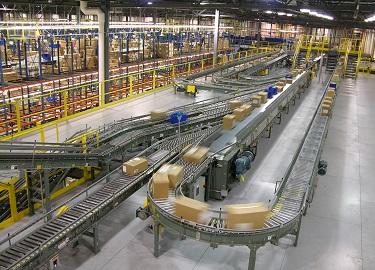 Transportation
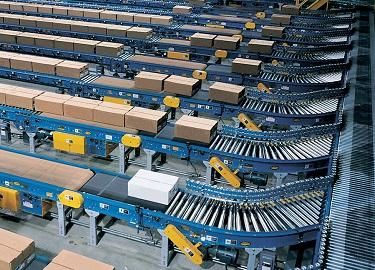 Accumulation
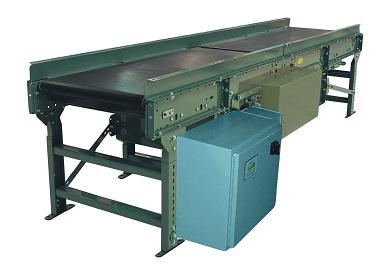 Singulation
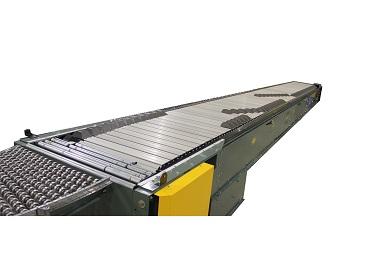 Sortation
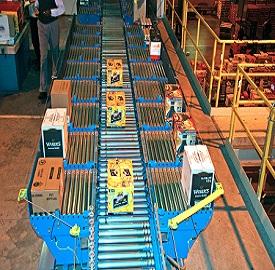 Palletizing
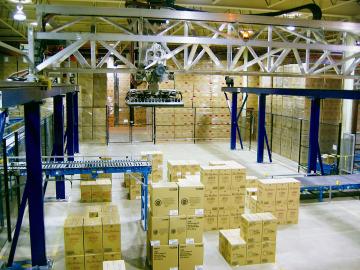 Robotic Systems
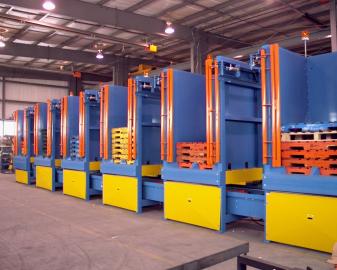 Pallet Sortation
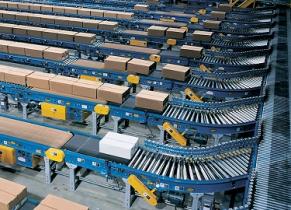 Carton Handling Systems
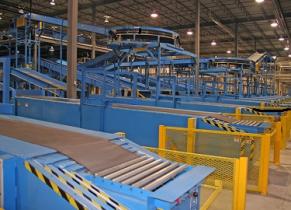 Parcel Sorting Systems
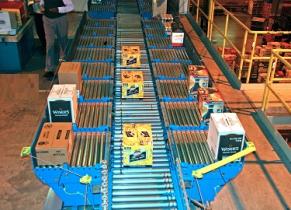 Palletizing Systems
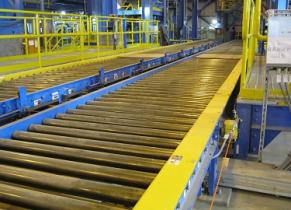 Pallet Handling Systems
Norpak Handling is a North American leader in the design and integration of material handling conveyor systems. Founded in 1988, Norpak quickly established a reputation for providing outstanding customer service along with value-engineered conveyor systems and solutions. The company is headquartered in Port Hope, Ontario (Toronto area) with a branch office in Surrey, British Columbia (Vancouver area). Our branches give us the ability to partner with local industries and communities in order to deliver a more hands-on, personalized conveyor systems solution to you, our customer.
Over the years, Norpak has made advancements in the field of systems integrations. We employ a professional and highly qualified team of expert designers and technicians. Every member of our team has years of experience in the field and the industry. When we design and build your systems, we don’t just deliver good quality – we bring you the best. Our solutions are fully customized to your unique requirements so that your needs will be fulfilled with precision and according to industry-defined best practices.
Norpak is a proud supplier of conveyors, conveyor components, and complete turnkey conveyor systems designed, installed, and commissioned to exacting technical performance specifications. We provide you with a full-service policy that ensures our presence from start to finish when you engage in a new project for a conveyor system in your facility or building.
We utilize our proven project management expertise to ensure that your conveyor systems will bring optimal production and profit to your business. Our design team conducts feasibility studies and develops computer simulations to ensure we meet or exceed customer requirements. Testing and quality assurance are both a huge part of our business mission because providing our customers with high-end equipment and conveyor systems is the only way forward for Norpak. Work with us today for a smoother, better conveyor solution.