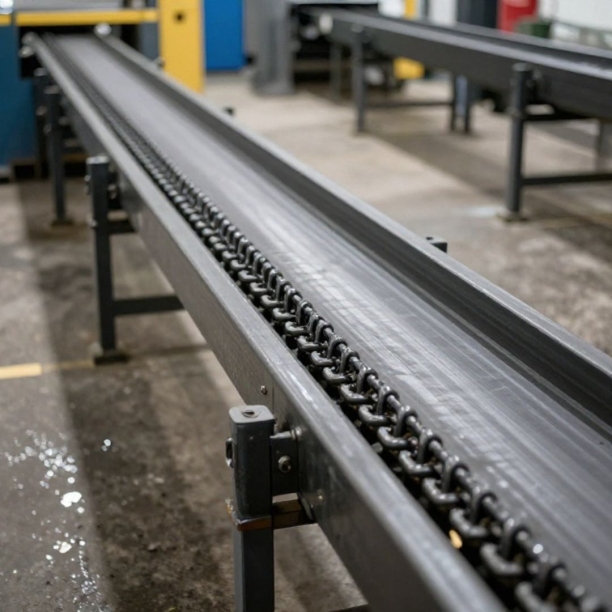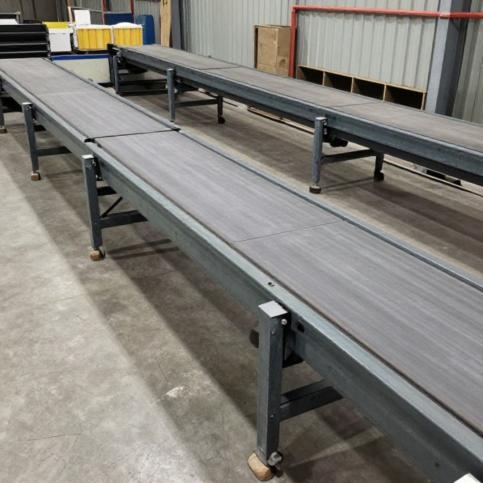

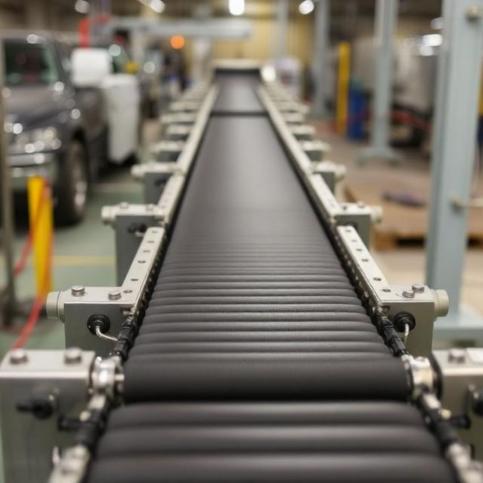
The previous blog explored the importance of belt tension timing. In this blog, Norpak Handling, a major distributor of conveyor systems such as belt conveyors, roller conveyors, chain conveyors, and more, explores a 5-step protocol to ensure proper conveyor maintenance and belt tensioning.
How To Ensure Proper Maintenance And Conveyor Belt Tensioning?
Inspect For Damage
Inspect the conveyor belt first for overt signs of physical damage. This can have a huge impact on the conveyor belt tensioning. Inspect the conveyor belt mainly for signs of fraying or cracking. Moreover, also check if the pulley teeth have suffered any damage. If present, it will be required to be repaired or replaced promptly.
Inspect For Debris
Aside from obvious damage to the pulleys, this component is also susceptible to capturing particles. Look for debris in the pulleys, as they can contribute to pulley wear and compromise belt tensioning.
Verify Belt Alignment
Besides examining physical damage and debris buildup, ensure that the belt is properly aligned with the conveyor belt. This is a major contributor to poor belt tensioning, resulting in slippage and power loss.
Ensure Proper Belt Tensioning
If there is improper belt tensioning, follow the right tensioning protocols to achieve optimal levels. A telltale sign of proper conveyor belt tensioning is smooth, noiseless operation, indicating optimal power transfer.
Replace Worn Components
Check the conveyor thoroughly for worn-out components. Replace them promptly so that they do not compromise the overall operation of the conveyor system.
Conclusion
In closing, by following this maintenance protocol, it is possible to properly operate a belt conveyor with appropriate tensioning.
Norpak Handling is a leading system integrator and distributor of conveyor machines in Port Hope, Ontario. Our conveyor system range includes gravity conveyors, roller conveyors, incline conveyors, chain conveyors, belt conveyors, plastic conveyors, accumulation conveyors, and much more. Want custom solutions that match unique design and engineering specifications? Contact us today to learn more.
FAQs:
What is the importance of proper belt tension?
Proper belt tension is important as it prevents slippage, saves components from wear, and saves power consumption.
What is the first step to ensure proper belt tensioning?
The first step to ensuring proper belt tensioning includes removing dirt and debris from the frame and pulleys, as they can also compromise tensioning.