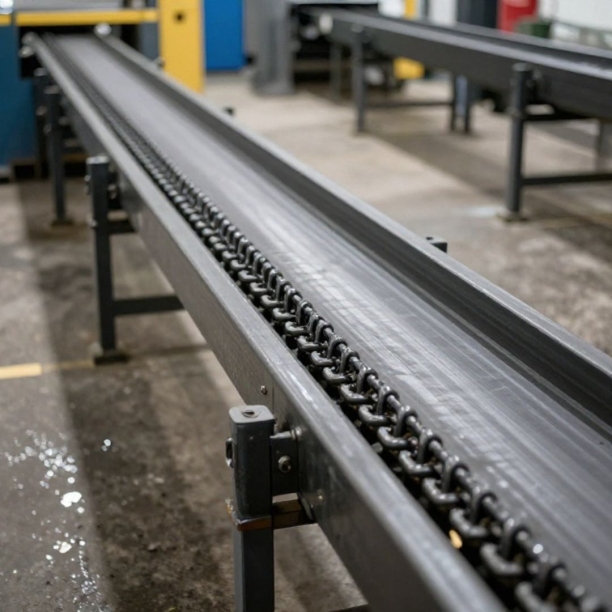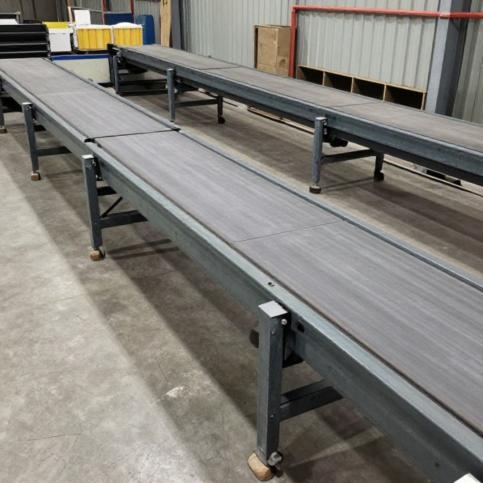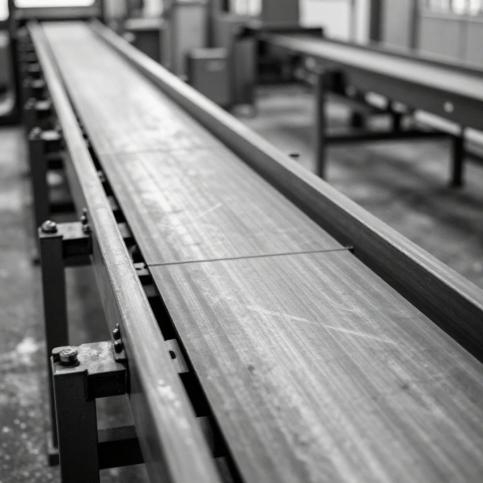

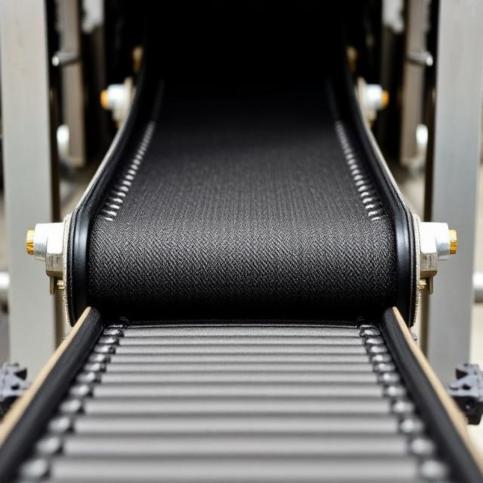
Belt tension is a key part of belt conveyors as it helps determine smooth operation without excessive wear or slipping. The best way to ensure belt tension is by timing it. What is timing belt tension, and why is it so necessary for these conveyor systems? Norpak Handling, a major distributor of conveyors and related accessories in Port Hope, Ontario, explores this question in detail in this blog.
What Is Timing Belt Tension?
Proper timing belt tension is the minimum tension required to operate the conveyor belt without any negative effects, such as losing engagement with the pulley or skipping. Timing it properly is essential as it ensures proper power transfer and synchronized movement without wearing out the surrounding components.
Why Is Timing Belt Tension Important?
Timing belt tension is vital, as over-tensioning leads to many negative consequences, such as:
- Excessive belt vibration due to over-tensioning of the conveyor belt
- Increased bearing and shaft wear
- Higher stress on the drive components of the conveyor
- Reduced belt life due to accelerated wear
- Higher energy consumption to keep the conveyor operational
Similarly, undertensioning the belt also has its own drawbacks, such as:
- Jumping of the belt tooth
- Loss of synchronization during belt movement, leading to poor power transfer
- Premature wearing of the belt and the pulley
- Unexpected downtime due to component failure or belt slippage
Conclusion
In closing, timing belt tension is very important for industrial conveyors as it ensures efficient power transfer and a marked reduction in component wear.
Norpak Handling is a leading system integrator and distributor of conveyor machines in Port Hope, Ontario. Our conveyor system range includes gravity conveyors, roller conveyors, incline conveyors, chain conveyors, belt conveyors, plastic conveyors, accumulation conveyors, and much more. Our experts are also adept at designing custom solutions that match unique design and engineering specifications. Contact us today to learn more.
FAQs:
What ensures proper belt tensioning during scheduled maintenance?
For appropriate belt tensioning during scheduled maintenance, look for cracks or frayed edges in the belt, check pulleys for excessive wear, verify belt alignment, and replace worn components promptly.
How to ensure consistent conveyor performance in belt conveyors?
For consistent conveyor performance in belt conveyors, ensure proper tensioning protocols are in place.